Drought-Tolerant Planting for the Costa del Sol
A working palette of plants that look considered in April, survive August, and cost almost nothing to water.

Water restrictions on this coast are no longer occasional. Designing a garden that needs daily irrigation is now both an expense and a risk — and, in our view, an aesthetic mistake. The most beautiful Andalusian gardens have always been dry ones.
This is the palette we return to, grouped by the job each plant does.
Structure
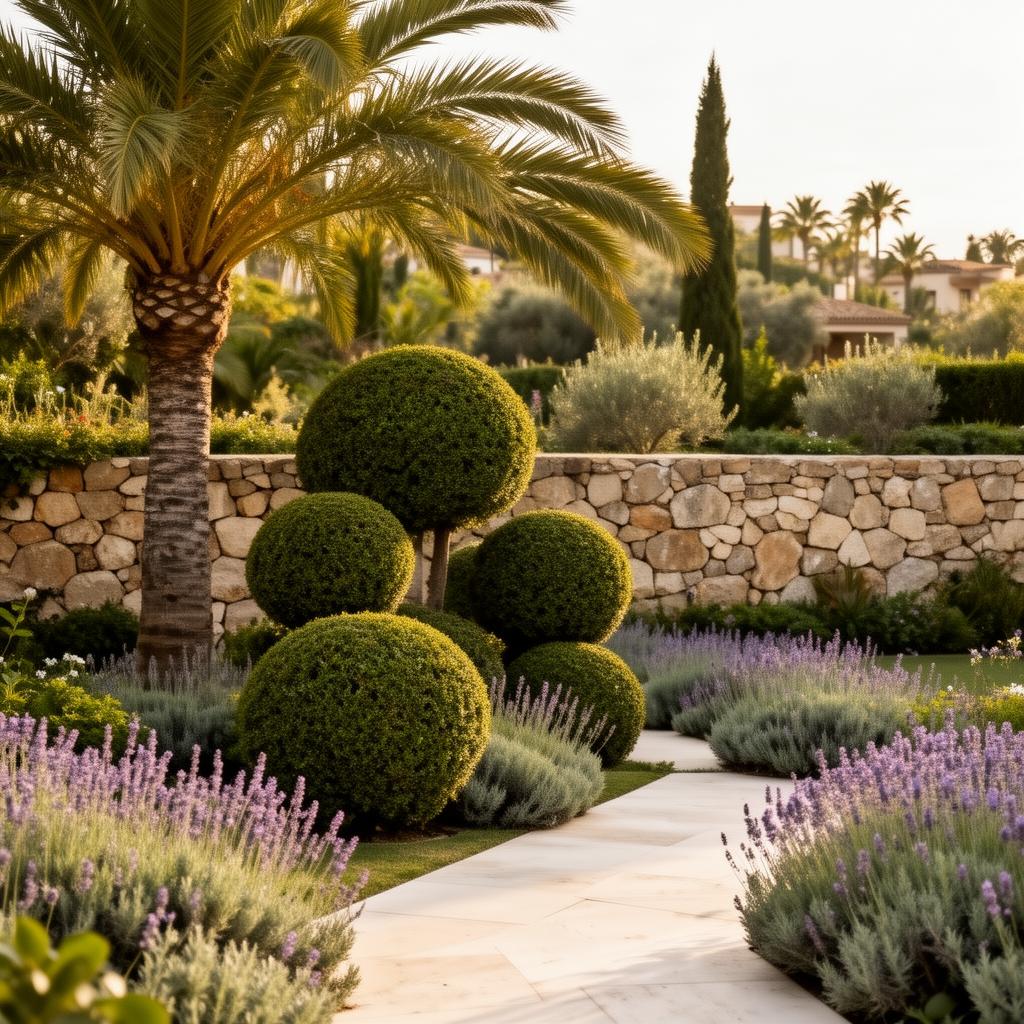
The bones of a dry garden are evergreen, slow and sculptural. These are the plants that make the space read as designed in February.
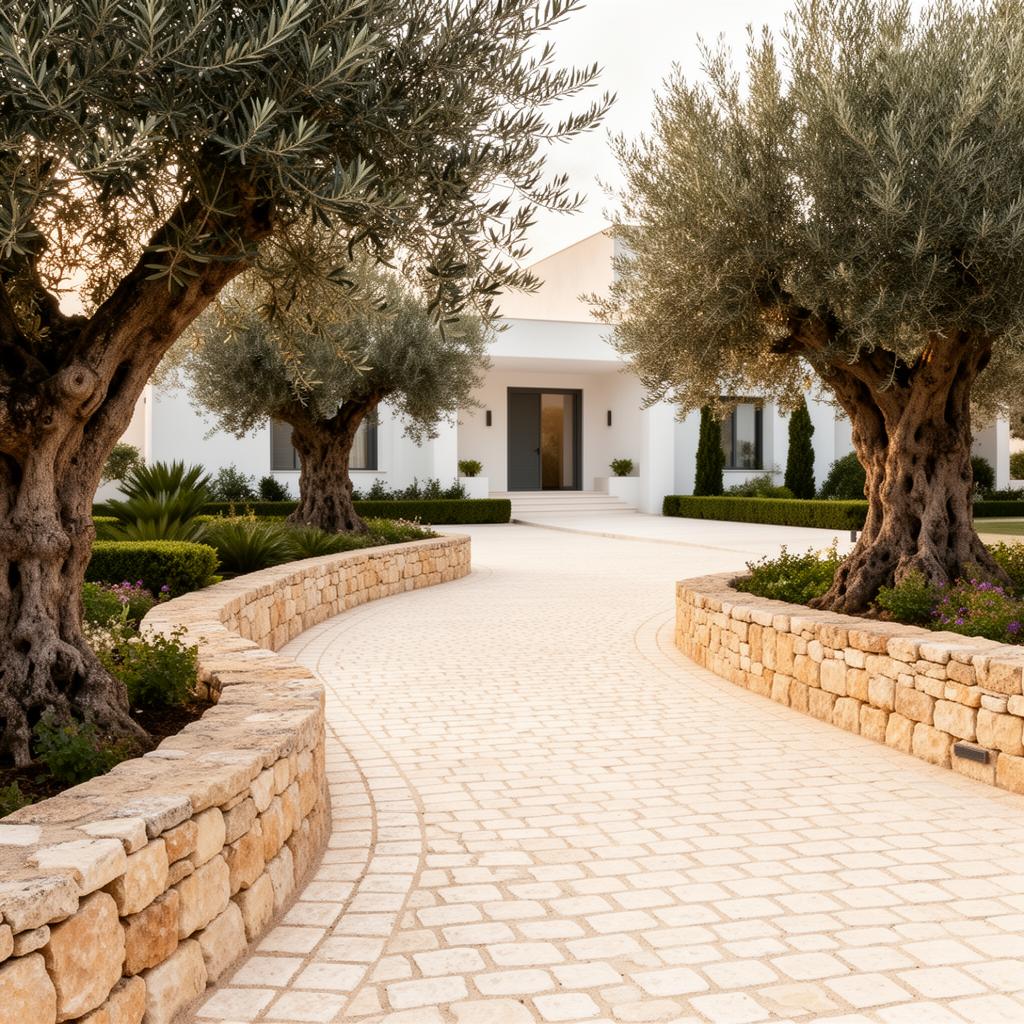
- Olea europaea — olive, the defining tree of the region
- Ceratonia siliqua — carob, broad shade and total drought tolerance
- Cupressus sempervirens — Italian cypress for vertical punctuation
- Pittosporum tobira 'Nana' — dense, clippable, forgiving
Texture and movement
Silver foliage and fine grasses do the work that flowers do in a northern garden — they catch light and move in the breeze.
- Westringia fruticosa, Teucrium fruticans and Santolina for silver mounds
- Stipa tenuissima and Muhlenbergia capillaris for movement
- Rosmarinus prostratus spilling over stone walls and coping
Scent and season
Lavender, rosemary, thyme and myrtle carry the garden's smell into the evening, and all four are happier neglected than fed. Bougainvillea and plumbago give the summer colour most clients ask for on a fraction of the water a bedding scheme demands.
How to water a dry garden
Deep and infrequent, always. Sub-surface drip on a two-week cycle in summer, off entirely from November to March once established. Frequent shallow watering produces shallow roots and a garden that dies the first week the system fails.
Common questions
- What plants survive summer in Marbella without much water?
- Olive, carob, cypress, pittosporum, westringia, teucrium, santolina, rosemary, lavender, myrtle, bougainvillea and plumbago all thrive on deep, infrequent watering once established.
- How often should a Mediterranean garden be irrigated?
- Deeply and infrequently — typically a long sub-surface drip cycle every one to two weeks in summer, and none at all from late autumn through early spring for established planting.
Planning something similar?
Book a free design consultation.
Thirty minutes with our design team — no obligation, no charge.
Book your consultation →